Image 1 of 1
Important Notes
- Enrollment is limited to preserve the quality of instruction and depth of dialogue.
- This training is intended for clinicians and professionals prepared for sustained personal and clinical engagement.
Foundational Training in Dialogue Therapy
For Mental Health Professionals
Break Through Projective Identification. Restore Emotional Contact. Transform Couples Therapy.
At a certain point in working with couples, most therapists encounter the same problem:
Insight is not enough.
Empathy is not enough.
When conflict becomes emotionally threatening, partners lose the capacity to remain present.
They defend, withdraw, or escalate.
And what takes over—often invisibly—is projective identification.
Dialogue Therapy was developed to work directly at this level.
A Structured Method for Working in the Moment That Matters Most
Dialogue Therapy is a short-term, psychoanalytically grounded approach to working with couples and adult pairs.
It helps therapists:
interrupt projective processes in real time
increase emotional contact between partners
support differentiation without disconnection
restore curiosity under pressure
This is not a model for avoiding conflict.
It is a disciplined method for staying in relationship through conflict.
Train in Dialogue Therapy with Polly Young-Eisendrath
Developed and taught by internationally recognized Jungian analyst and author Polly Young-Eisendrath, Ph.D., this immersive training integrates:
psychoanalysis
mindfulness
relational practice
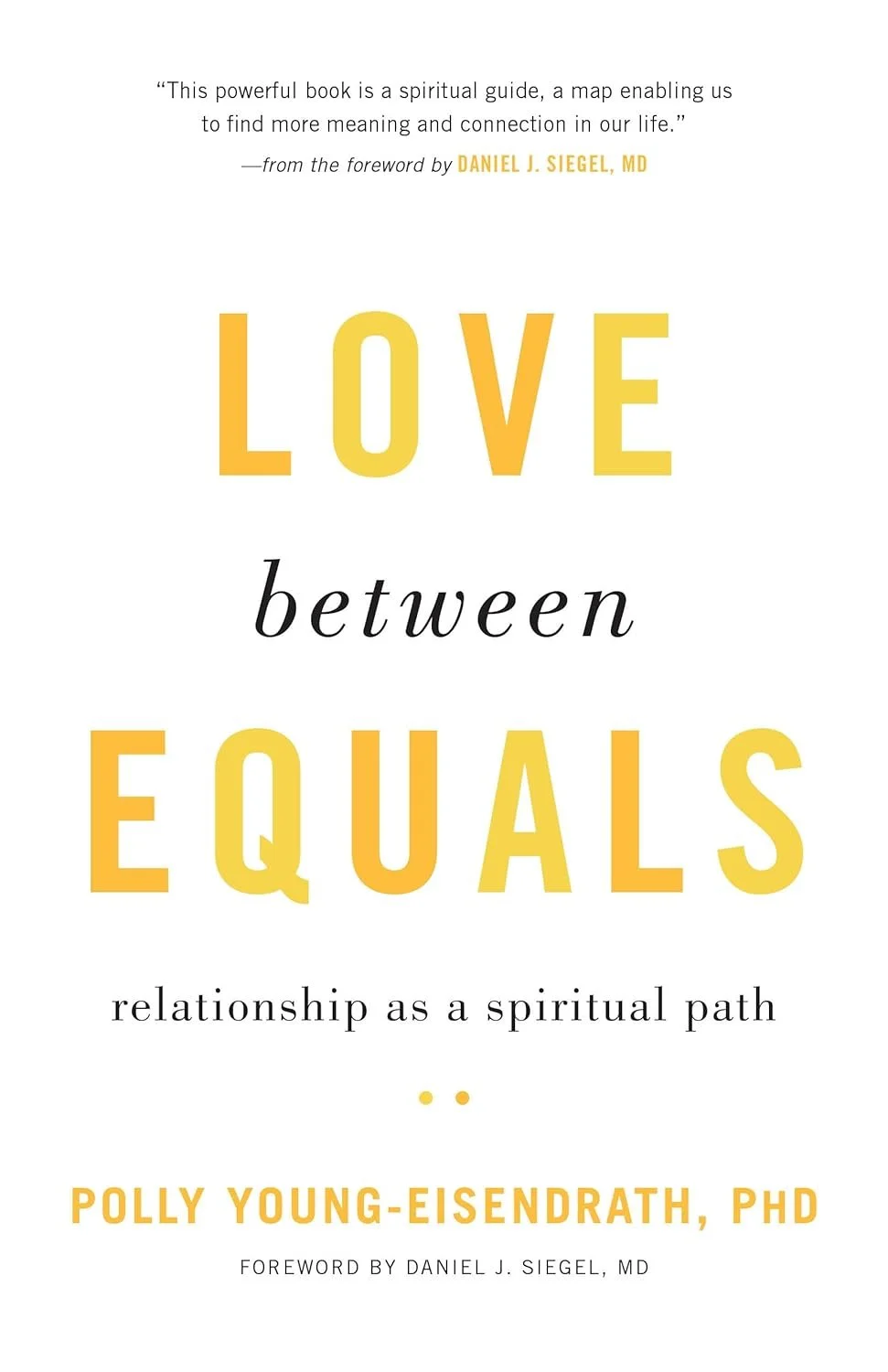
Her work includes Love Between Equals and Dialogue Therapy for Couples and Real Dialogue for Opposing Sides(with Jean Pieniadz).
What You Will Learn
How to recognize and interrupt projective identification
How to increase emotional contact and clarity between partners
The role of differentiation in sustaining intimacy
How to guide couples through healthy conflict without collapse or domination
A structured method you can apply immediately in your practice
Program Structure
72 CE Credits Total (18 per session)
A four-part immersive training held at Trapp Family Lodge:
Session 1: July 10–12 (Concluded)
Session 2: October 30–November 1
Session 3: January 22–24
Session 4: March 12–14
NOTE: The second and third sessions welcome new participants, but the fourth session is open only to those who have already enrolled.
Certification Pathway
Participants who complete the program are eligible to pursue certification as a Dialogue Therapist.
Find current international Certified Dialogue Therapists.
Faculty

Polly Young-Eisendrath
Polly Young-Eisendrath, PhD, is a psychologist, writer, speaker, and Jungian analyst, serving as the founder and Executive Director of the Center for Real Dialogue.

Raymond Coppola, Ph.D.
Raymond Coppola is a Clinical Psychology with an emphasis in Depth Psychology.
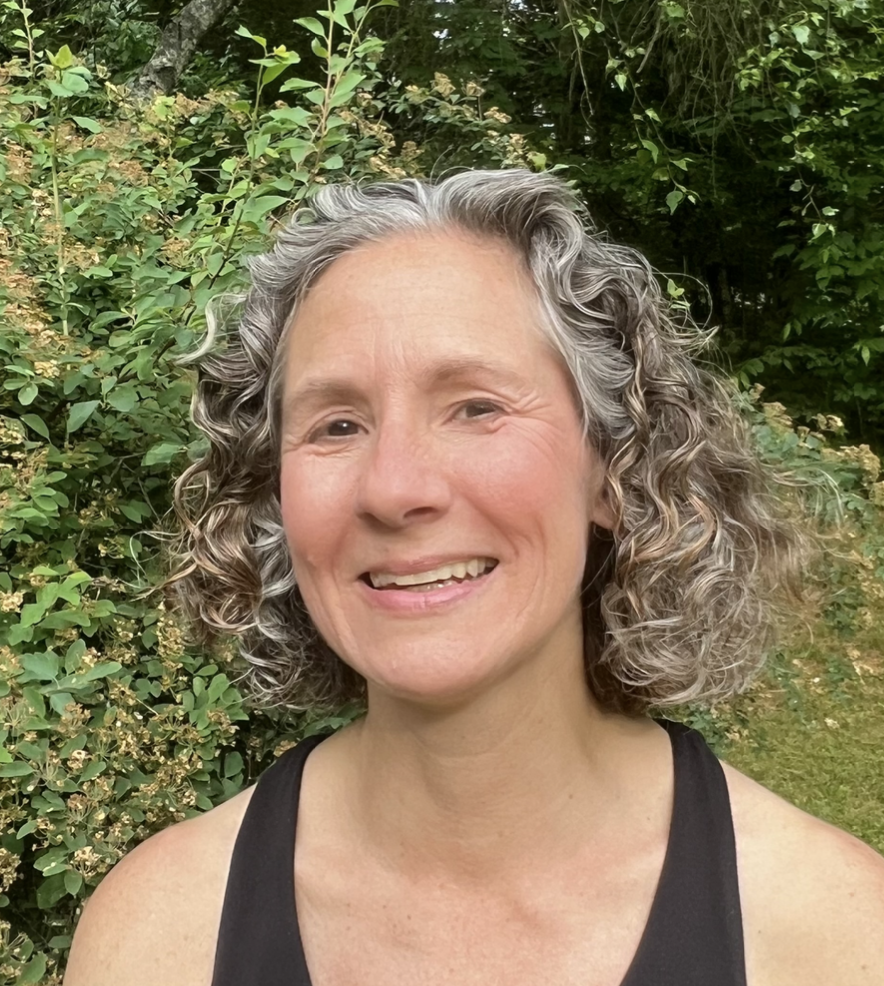
Susan Lillich, Ph.D.
Susan Lillich is a licensed clinical psychologist, a Dialogue Therapist, and the director of clinical training for CRD.

Who This Training Is For
Psychologists
Psychotherapists
Marriage & family therapists
Social workers
Coaches working with couples
An Invitation
If you’ve felt the limits of traditional approaches at the very moment they matter most—
this training offers a way to work where breakdown actually occurs.
Apply now for the Foundational Training in Dialogue Therapy
Polly Young-Eisendrath, Founder, presents Foundational Training in Dialogue Therapy. Additional Faculty: Raymond Coppola, Ph.D. & Susan Lillich, Ph.D.
A Note on Love
This training is grounded in a simple but demanding idea:
Love is not a feeling.
It is a discipline.
If you want a deeper understanding of this perspective in intimate relationships: